Jump
Meant to be the third single, it ended up on the rooftops of Tokyo.
“Jump” is a track from Madonna’s 2005 album Confessions on a Dance Floor, written by Madonna and Stuart Price with additional writing by Joe Henry. It was supposed to be the album’s third single, but “Get Together” was chosen first, and “Jump” came out in autumn 2006 as the fourth and last. It reached number 9 in the UK; in the US it missed the Hot 100 but went to number one on the dance chart. The video was directed by Jonas Åkerlund and shot in Tokyo, between dates of her tour, with parkour dancers from that tour.
Official music video (YouTube, Madonna). Played in YouTube’s official player.
The song that was supposed to be third
Confirmed Fact“Jump” is credited to Madonna and the producer Stuart Price, with additional writing by Joe Henry (via Wikipedia).
Reported StoryThe idea is said to have come from Joe Henry, a musician who is also Madonna’s brother-in-law. This comes from Wikipedia, citing a 2005 AOL conversation we have not read.
Confirmed FactIt was first expected to be the third single, after “Hung Up” and “Sorry”. “Get Together” was chosen instead. In April 2006 Billboard’s Keith Caulfield, answering a reader, wrote that he was surprised: he had thought the “very catchy” “Jump” would be next. According to the same column, US digital sales stood at about 20,000 for “Get Together” and about 9,000 for “Jump”.
Reported Story“Get Together” is also reported to have been picked to coincide with the start of the 2006 Confessions Tour (via Wikipedia, citing MTV; the original is unread).
Reported Story“Jump” was confirmed as the fourth single in July 2006 and sent to US hot adult contemporary radio in September; the label wanted to establish it there before taking it to top-40 stations. All via Wikipedia.
InterpretationA song that was once next in line gave up its turn. That left it time to reach the end of the tour, and the video was shot in Tokyo as part of that detour.
A song about packing your bags
Reported StoryMany reviewers read the lyric as being about leaving a situation and moving on. Rolling Stone’s Alan Light heard in the line “I can make it alone” a shift towards self-sufficiency; Billboard’s Caulfield called it a positive message about believing in yourself, not wasting time and taking a chance (both via Wikipedia).
Reported StoryIn an interview with the British magazine Attitude, the journalist suggested the song had inspired “a whole generation of gay kids to pack their bags and head to the big city”, and Madonna agreed. The framing was the interviewer’s, not a statement from Madonna of what the song is for. We have not read the original.
Reported StoryParade’s Samuel R. Murrian wrote that she “appears to reflect” on her own move to New York as a teenager. The wording is a guess, and we label it as one.
Reported StoryMusically, several reviewers noted that the opening synth line resembles the Pet Shop Boys’ “West End Girls” (1984). The sheet music shows a continuous E drone.
InterpretationA song about leaving might be expected to look back. This one, sung low and even, only moves forward. Unlike “Bad Girl”, it is not carrying a goodbye it could not say; the bags are already packed.
On the rooftops of Tokyo
Confirmed FactThe video was directed by Jonas Åkerlund, her longtime collaborator. In a 2015 interview he called it “one of those videos we shot when she was touring”: they had to find time on her schedule, “and it ended up being in Tokyo”.
Confirmed FactHe also explained why parkour: “She had the best parkour kids on her tour… I really wanted to use her parkour guys. That itself is all I needed to get going. It was crazy shooting in Tokyo, but it worked really well with the music.”
Reported StoryThe shoot is said to have used outdoor locations across Tokyo and a soundstage. Madonna wears a platinum-blonde bob wig, which she also wore on the last two nights of the tour. The traceurs are reported to include Sébastien Foucan and Levi Meeuwenberg (via Wikipedia).
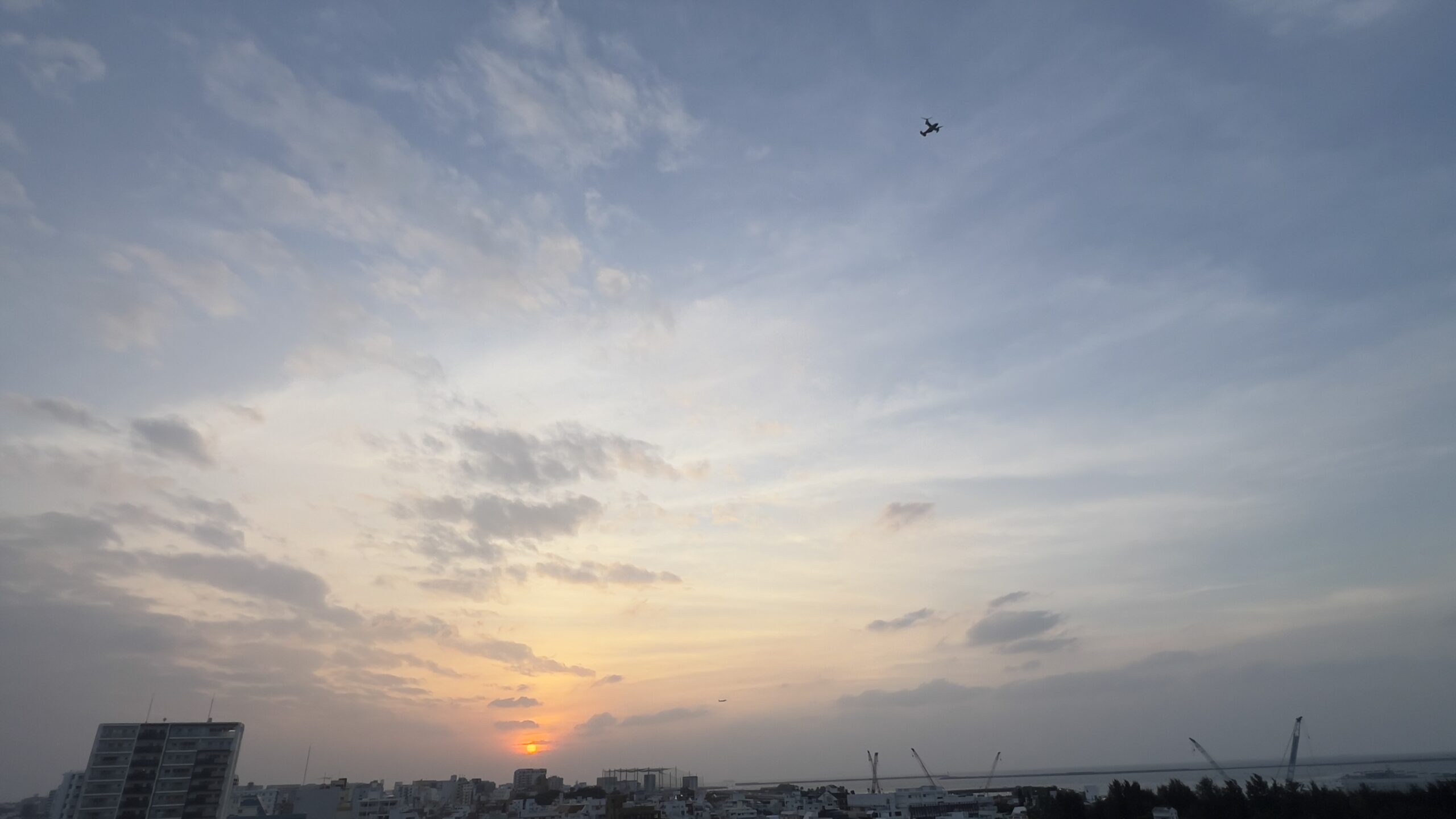
Reported StoryThe video opens on the Tokyo skyline and figures on rooftops. Neon signs behind Madonna spell “Madonna” and “Jump” in Japanese. The dancers leap between buildings and run through the streets; Madonna herself dances between metal rods of the same design as on the tour.
Reported StoryA sneak peek appeared on Madonna’s official site on October 3, 2006, and the full video the next day on AOL Music (via Wikipedia).
Reported StoryReception was mixed. Entertainment Weekly called it “no concept”, and said it would have preferred a story in the vein of “Express Yourself” (via Wikipedia).
Unconfirmed TheorySome fan articles pin down fifteen filming spots around Shibuya. We have found no primary source, so we say only “Tokyo”.
InterpretationWhere many videos lay a story over the song, this one shows the act itself: the title is what you see on screen.
The last single, and after
Confirmed FactIn the UK it entered the Official Singles Chart at number 59 on November 11, 2006 and reached its peak of number 9 the following week. It spent seven weeks on the chart (Official Charts).
Reported StoryIn the US it missed the Hot 100, peaking at number 5 on Bubbling Under, but reached number one on the Hot Dance Club Songs chart, said to be her 37th. It topped the charts in Italy and Hungary. All via Wikipedia.
Reported StoryThe song was also used in the 2006 film The Devil Wears Prada and in the season 2 finale of Ugly Betty, which is itself titled “Jump” (via Wikipedia).
InterpretationIt was not her biggest hit, and not the song people talk of first. But “Jump” was filmed at the end of a tour on Japanese rooftops, and it is remembered with that skyline.
Three things to listen for
- 1The opening synth line — the one reviewers heard as “West End Girls”.
- 2The low, even verses. She does not push; she keeps moving.
- 3The E drone underneath, which never stops. It is what makes the song feel like it won’t stop.
These links open the official track pages on Spotify and Apple Music.
- checked 2026-11-17
- checked 2026-11-17
- checked 2026-11-17
- checked 2026-11-17
- checked 2026-11-17
- checked 2026-11-17
- checked 2026-11-17
- checked 2026-11-17
* Cited through a secondary source; we have not read the original ourselves.